Symptoms Of A Sneaky Disc
Symptoms of a slipped disc range widely based on the place and degree of your broken disc. Because your backbone has quite a vast network of nerves, a herniated or slipped disc can cause pain, tingling, tingles, weakness, or even pain in other parts of the body, including your legs, hands, or foot. If you suffer from a herniated or slipped disk, then you need to immediately talk with your doctor. Here are some symptoms of a slipped disc:
A pinched nerve can lead to these signs. Generally, these kinds of disk problems can be treated with physical therapy and sometimes oral drugs. The problem with almost all of these remedies is that they simply deal with the symptoms but do not correct the actual cause of the issue. In fact, the majority of them, even if not , will only mask the issue while it continues to worsen. This is the reason it's essential to utilize non-steroidal anti inflammatory drugs (NSAIDs) such as ibuprofen, aspirin, and naproxen instead.
These NSAIDs to treat the symptoms, however, not exactly the underlying reason. That is the reason you need to also include physical therapy in your treatment program. Utilizing ice, heat cream, and massage treatment together with your normal care program can greatly relieve the symptoms of a slipped disc. Massage treatment includes specific exercises that stretch and strengthen the muscles around the area of the harm. The more powerful and more elastic your muscles are, the lower strain and strain is put on your backbone.
A herniated or slipped disc may also be fixed with surgery. However, this isn't for everybody. Frequently, surgeries are just considered in severe cases. For instance, a surgeon might conduct a herniating disc when the disc is experiencing spondylolisthesis. Spondylolisthesis is a condition in which the vertebrae slips out of position, putting pressure on the spinal cord.
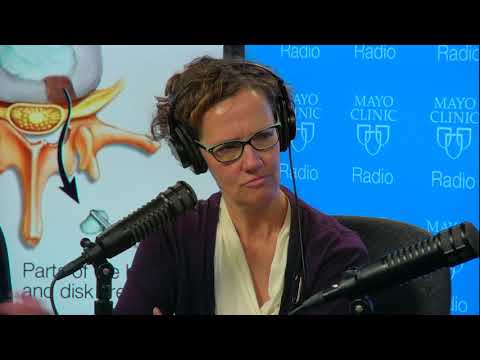
A physician may perform a decompression procedure when a disc gets bulged or prolapsed. http://edition.cnn.com/search/?text=disc herniation Prolapsed discs sit contrary to the nerves and the spinal cord. When the disc gets prolapsed, the spine can become rather debilitating. A decompression process will alleviate the strain on the disk causing the disk to return to its appropriate position along with the surrounding nerves will once more receive the pressure they receive from the backbone.
After a disc was prolapsed, the backbone can become incredibly painful. Along with the disc becoming extremely debilitating, the pressure may also lead to the surrounding vertebrae to start to bulge or slide strange. If the disk is not medicated, then the vertebrae may continue to move out of location and damage that the different parts of the backbone, which may cause a more severe situation.
A operation, such as a laminectomy, can be performed to remove one vertebra. This will alleviate the pressure from the disc . However, at times the damage is so severe that a second surgery is essential. This is used to fix or replace at least one of the broken vertebrae that was causing the nerve compression to happen.
Indicators of a slipped disc include chronic pain. The amount of pain will differ from person to person. Additionally, it is extremely common for a person to experience tingling or numbness in their arms or hands. Lifting can also lead to acute back pain whenever there's a disk in place. These symptoms can be greatly relieved via using physical exercises and therapy.
Other signs may include weakness, numbness, and tingling in your legs or feet. Individuals can also experience difficulty walking or standing for lengthy intervals. https://boel-akupunktur.com/diskusprolaps-i-ryggen These are a few indications that a disk is wearing down or gets slipped out of place. It's important to get medical attention if these symptoms occur because those are clear indications of a potential spinal cord injury. If these problems are dismissed, then it's very likely that the person will develop additional complications, which will just result in more pain and suffering.
Additionally, symptoms of a slipped disc might include numbness, leg pain, and a shooting pain in 1 side of the leg. Another symptom may be swelling or bruising in the region. From time to time, pain may be extreme on one side of their human body and mild on another. Sometimes, back pain could be worse than leg pain.
It is very important to remember the symptoms of a slipped disc can actually be brought on by another state. From time to time, nerve root pain can aggravate the back pain that's felt. Therefore, consulting a physician is very important. Moreover, many times, symptoms of an thoracic nerve may actually be the result of a slipped disk and can be relieved with physical therapy and other conservative therapy options.
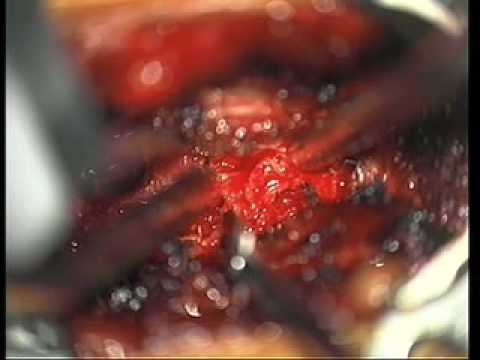

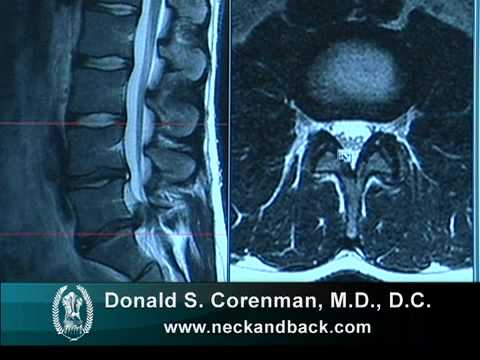
 Superb Website Exposing Operation Af Diskusprolaps I Lænden 077199